Category: ICU Care

  • Strategies for Emotional Support in ICU Settings

    Strategies for Emotional Support in ICU Settings

    Providing emotional support in ICU settings is essential for patients and their families during a challenging time. The ICU can be an overwhelming environment filled with uncertainty and fear. Understanding how to offer emotional support in ICU settings can help patients cope with their circumstances, leading to better outcomes and a more positive experience. This article will explore various strategies to provide emotional support in the ICU, focusing on the importance of compassion, communication, and collaboration.

    Recognize the Emotional Impact of ICU Admission

    When patients are admitted to the ICU, they often face a range of emotions, including fear, anxiety, and sadness. Recognizing these feelings is the first step in providing emotional support in ICU settings. Healthcare professionals must be aware of the emotional toll that critical illness can take on both patients and their families. By acknowledging these feelings, caregivers can create a supportive environment that fosters open communication and trust.

     Emotional Support in ICU Settings
    Emotional Support in ICU Settings

    Enhance Communication with Patients and Families

    Effective communication is a cornerstone of emotional support in ICU settings. Healthcare providers should strive to communicate clearly and compassionately with patients and their families. This includes explaining medical procedures, treatment plans, and expected outcomes in simple language. Taking the time to listen to patients’ concerns and questions can also help alleviate anxiety. When families feel informed and involved, they are better equipped to support their loved ones emotionally.

    Create a Comfortable Environment

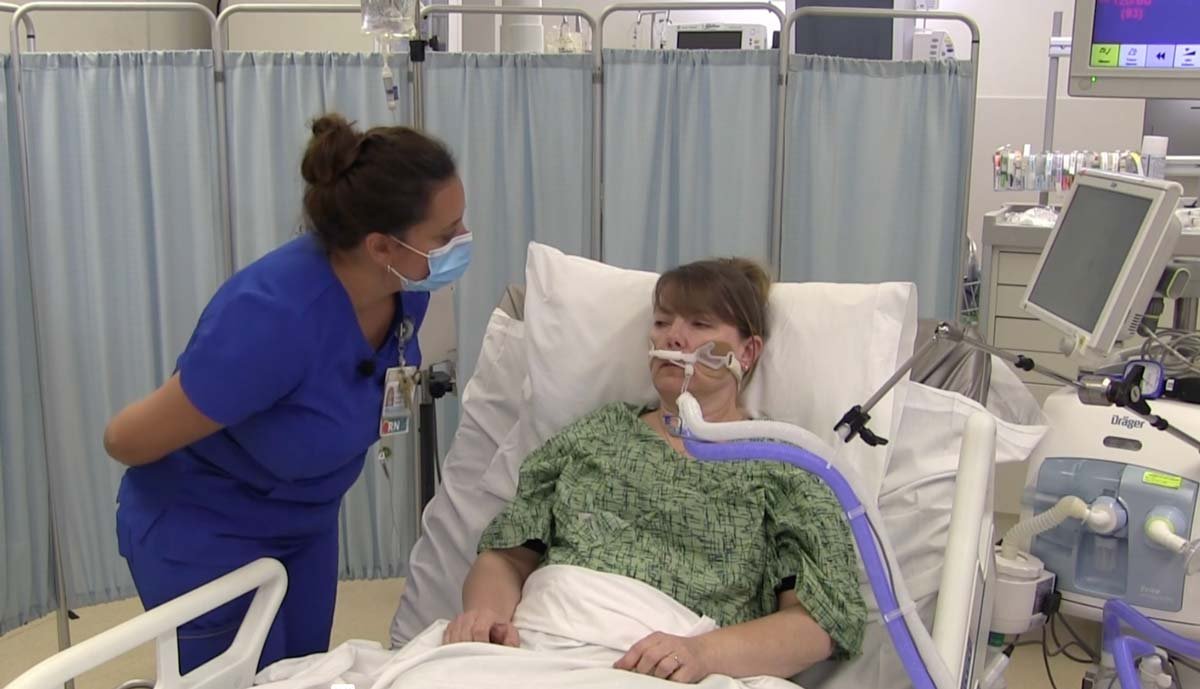
    The ICU can feel cold and clinical, which may contribute to patients’ emotional distress. Creating a more comfortable environment can significantly impact emotional well-being. Simple changes, such as allowing personal items like photographs or blankets, can help patients feel more at home. Additionally, reducing noise levels and dimming lights can create a calming atmosphere. All these adjustments can promote a sense of safety and comfort, which is vital for emotional support in ICU settings.

    Encourage Family Involvement

    Family involvement is crucial for providing emotional support in ICU settings. Encouraging family members to participate in care can help patients feel more secure and loved. Allowing families to visit frequently, providing them with space to talk to healthcare providers, and involving them in decision-making processes can enhance the emotional support system. Family members can provide comfort, familiarity, and reassurance, which can make a significant difference in a patient’s recovery.

    Address Spiritual Needs

    For many patients, spirituality plays a vital role in coping with illness. Addressing spiritual needs can be an important aspect of emotional support in ICU settings. Healthcare providers should inquire about patients’ spiritual beliefs and preferences, allowing them to connect with their faith or seek guidance from spiritual leaders. Providing access to chaplains or spiritual counselors can help patients find peace and comfort during their stay in the ICU.

    Utilize Supportive Care Teams

    Incorporating supportive care teams into ICU settings can enhance emotional support for patients and families. These teams often consist of social workers, psychologists, and chaplains who can address the emotional and psychological needs of patients. By working collaboratively with the healthcare team, supportive care teams can provide resources, counseling, and guidance, helping to alleviate stress and anxiety.

    Implement Relaxation Techniques

    Teaching patients relaxation techniques can be an effective way to provide emotional support in ICU settings. Techniques such as deep breathing exercises, guided imagery, and progressive muscle relaxation can help reduce anxiety and promote a sense of calm. Healthcare providers can offer brief sessions to teach these methods, enabling patients to manage their stress levels more effectively during their ICU stay.

    Promote Open Discussion About Emotions

    Creating an environment that encourages open discussion about emotions can significantly enhance emotional support in ICU settings. Healthcare providers should invite patients and families to share their feelings, concerns, and fears. By validating these emotions and providing a safe space for expression, caregivers can help individuals process their experiences. This approach fosters a supportive atmosphere that encourages healing and resilience.

    Provide Resources for Coping

    Equipping patients and families with resources for coping can further enhance emotional support in ICU. Offering brochures or information about support groups, counseling services, and educational materials can empower families to seek additional help. Providing access to mental health professionals can also assist those struggling to cope with the stress of an ICU admission.

    Evaluate and Adapt Support Strategies

    Finally, it is essential to evaluate and adapt emotional support strategies regularly. Each patient’s needs may change during their stay in the ICU, and healthcare providers should remain flexible in their approach. By continually assessing the effectiveness of emotional support measures, caregivers can make necessary adjustments to ensure that patients and families receive the care and compassion they need.

    Conclusion

    In summary, providing emotional support in ICU settings is vital for promoting healing and well-being. Recognizing the emotional impact of ICU admission, enhancing communication, creating a comfortable environment, and encouraging family involvement are key strategies for effective emotional support. By addressing spiritual needs, utilizing supportive care teams, and implementing relaxation techniques, healthcare providers can further enhance patients’ emotional well-being. Finally, promoting open discussions, providing coping resources, and evaluating support strategies are essential for fostering a compassionate and supportive ICU experience.

  • A Beginner’s Guide to Understanding ICU Care

    A Beginner’s Guide to Understanding ICU Care

    Intensive Care Units (ICU) provide specialized care for patients with severe or life-threatening conditions. If you or a loved one is admitted to the ICU, it can be a daunting experience. This guide aims to provide clarity on what ICU care entails, the equipment used, and the roles of healthcare professionals, helping you navigate this critical phase.

    What is ICU Care?
    The ICU is designed to treat patients who need continuous, intensive monitoring and support. Conditions that require ICU care include severe injuries, major surgeries, respiratory failure, cardiac arrest, or any condition that threatens vital organs. Unlike general hospital wards, the ICU offers one-on-one patient care to manage these complex conditions.

    Key Components of ICU Care

    • Continuous Monitoring: Patients in the ICU are continuously monitored for vital signs like heart rate, blood pressure, oxygen levels, and breathing. This helps medical professionals detect any immediate changes in the patient’s condition.
    • Advanced Equipment: Various medical devices are used in the ICU, such as ventilators for breathing support, dialysis machines for kidney failure, and monitors for tracking various bodily functions.
    • Life-Saving Medications: ICU patients may be administered medications intravenously to stabilize their condition. These drugs could manage pain, prevent infections, or support heart function.

    Roles of ICU Professionals

    • Doctors: ICU doctors (often intensivists) specialize in critical care and make decisions regarding patient treatment plans. They work closely with nurses and other healthcare providers.
    • Nurses: ICU nurses provide 24/7 care to patients. They monitor vital signs, administer medications, and assist with medical procedures.
    • Respiratory Therapists: These professionals manage breathing treatments and work with patients who require mechanical ventilation or other forms of respiratory support.
    • Physical Therapists: In some cases, physical therapists help patients regain strength, mobility, and independence during their recovery process.
    A Beginner’s Guide to Understanding ICU Care
    A Beginner’s Guide to Understanding ICU Care

    What to Expect in the ICU
    While in the ICU, patients will often be surrounded by advanced medical equipment. Family members may notice tubes, wires, and machines. The constant monitoring is crucial for detecting any complications, but it can be overwhelming. It’s important to remember that the ICU is a place where patients receive the most intensive care to stabilize and improve their condition.

    Family Involvement in ICU Care
    Family members play an essential role in the emotional well-being of ICU patients. They can provide comfort, support, and help facilitate communication with healthcare providers. While visitation policies vary, ICU teams often encourage family involvement during the recovery process.

    How to Cope as a Family Member
    Visiting a loved one in the ICU can be emotionally challenging. The environment may be unfamiliar, and you may feel a mix of fear, confusion, and uncertainty. It’s essential to ask questions, stay informed, and take care of your own health to provide the best support. Many hospitals have social workers, counselors, and support groups to help families cope.

    Conclusion
    Understanding ICU care helps demystify the process and allows you to support your loved one through their recovery journey. ICU professionals are dedicated to providing the best care, ensuring that patients receive the attention they need. Always communicate with the healthcare team and remember that the ICU environment, though intense, is there to provide the most comprehensive treatment and support possible.

  • How to Manage Sedation and Delirium in ICU Patients

    How to Manage Sedation and Delirium in ICU Patients

    Managing sedation and delirium in ICU patients is essential for promoting recovery and ensuring patient safety. These conditions can significantly impact a patient’s experience in the Intensive Care Unit (ICU), so understanding how to manage sedation and delirium in ICU patients is vital for healthcare providers. In this article, we’ll give you ten effective strategies for managing sedation and delirium, helping to improve patient outcomes in the ICU.

    Recognize the Signs of Delirium

    The first step in managing sedation and delirium in ICU patients is recognizing the signs. Delirium can manifest as confusion, agitation, or altered consciousness. It is crucial to observe changes in the patient’s behavior and cognition. Early detection allows healthcare providers to address the issue promptly, reducing the risk of complications.

    How to Manage Sedation and Delirium in ICU Patients
    How to Manage Sedation and Delirium in ICU Patients

    Use Sedation Protocols

    Implementing sedation protocols can help manage sedation and delirium in ICU patients. These protocols provide guidelines for selecting the appropriate sedative agents, dosages, and administration methods. A standardized approach ensures that all staff members are on the same page, leading to consistent and effective sedation practices. Regularly reviewing and updating these protocols based on the latest research is also essential.

    Assess Sedation Levels Regularly

    Regular assessment of sedation levels is vital in managing sedation and delirium in ICU patients. Healthcare providers should use validated sedation scales, such as the Richmond Agitation-Sedation Scale (RASS), to evaluate sedation depth. By frequently assessing sedation levels, providers can adjust medications accordingly, ensuring optimal sedation without oversedation or undersedation.

    Tailor Sedation to Individual Needs

    Every patient has unique needs and responses to sedation. When managing sedation and delirium in ICU patients, it is essential to tailor sedation approaches to individual circumstances. Factors such as age, medical history, and current condition should be considered when selecting sedation medications and dosages. Personalized sedation strategies can lead to better patient outcomes and increased comfort.

    Minimize the Use of Sedatives

    While sedation is often necessary in the ICU, minimizing sedative use can help reduce the risk of delirium. Research suggests that lighter sedation may lead to better outcomes and shorter ICU stays. Healthcare providers should consider alternative strategies, such as non-pharmacological interventions, to help manage anxiety and discomfort. These strategies can include relaxation techniques, music therapy, and family involvement.

    Monitor for Withdrawal Symptoms

    When managing sedation and delirium in ICU patients, it is essential to monitor for withdrawal symptoms if sedative medications are reduced or discontinued. Patients may experience agitation, tremors, or anxiety during withdrawal. Early recognition of these symptoms allows healthcare providers to address them promptly and adjust the sedation plan as needed.

    Implement Daily Sedation Interruption

    Daily sedation interruption is an effective strategy for managing sedation and delirium in ICU patients. This approach involves temporarily reducing or stopping sedation medications to assess the patient’s neurological status. By allowing patients to regain awareness, healthcare providers can evaluate their mental state and make necessary adjustments to their care plan.

    Enhance Communication and Orientation

    Enhancing communication and orientation is crucial for managing sedation and delirium in ICU patients. Providing clear information about the patient’s condition, treatment plan, and daily routine can help reduce anxiety and confusion. Simple strategies, such as using clocks and calendars, can assist in orienting patients and improving their overall cognitive function.

    Involve Family Members

    Involving family members in the care of ICU patients can significantly aid in managing sedation and delirium. Family presence can provide emotional support and comfort to patients, reducing feelings of isolation. Furthermore, family members can help with orientation by reminding patients of their surroundings and current events, which can alleviate confusion and agitation.

    Evaluate and Adjust the Plan

    Finally, it is essential to evaluate and adjust the sedation and delirium management plan regularly. Continuous assessment allows healthcare providers to identify any changes in the patient’s condition and modify the treatment accordingly. Collaborating with an interdisciplinary team can enhance the evaluation process, ensuring a comprehensive approach to patient care.

    Conclusion

    In summary, managing sedation and delirium in ICU patients requires a comprehensive and individualized approach. By recognizing the signs of delirium, implementing sedation protocols, and tailoring sedation to individual needs, healthcare providers can significantly improve patient outcomes. Regular assessment of sedation levels, minimizing sedative use, and involving family members are also crucial strategies. With these ten strategies, healthcare providers can effectively manage sedation and delirium, promoting recovery and enhancing the overall ICU experience for patients.

  • Roles and Responsibilities of an ICU Team

    Roles and Responsibilities of an ICU Team

    The intensive care unit (ICU) is a specialized department in a hospital designed to provide critical care to patients with severe or life-threatening conditions. The ICU team plays a vital role in ensuring that patients receive the highest level of care. Understanding the roles and responsibilities of each member of this team is essential for recognizing the level of expertise involved in intensive care.

    Doctors in the ICU
    The physicians in the ICU are responsible for overseeing the overall medical care of patients. Critical care doctors, often referred to as intensivists, specialize in managing patients with severe or life-threatening conditions. They make decisions about patient care plans, administer treatments, and communicate with the patient’s family members regarding the patient’s condition.

    Nurses in the ICU
    ICU nurses are highly trained professionals who monitor patients’ vital signs, administer medications, and assist with various medical procedures. They are often the first to notice changes in a patient’s condition and can respond quickly to ensure the patient’s safety. They also act as a communication bridge between patients, families, and other healthcare providers.

    Respiratory Therapists
    Respiratory therapists are specialists responsible for managing patients’ breathing. They assist with ventilator management, administer breathing treatments, and monitor the patient’s oxygen levels. Their role is crucial in ensuring that patients who are unable to breathe independently receive the necessary respiratory support.

    Pharmacists in the ICU
    Pharmacists are an essential part of the ICU team. They collaborate with doctors and nurses to ensure that medications are prescribed correctly and administered safely. Pharmacists monitor drug interactions, dosage adjustments, and help in the overall management of the patient’s medication plan.

    Roles and Responsibilities of an ICU Team
    Roles and Responsibilities of an ICU Team

    Physical Therapists
    In ICU settings, physical therapists assist patients in regaining their mobility. They develop individualized plans to help patients gradually regain strength and improve their physical function, especially after extended bed rest or surgeries. Early mobilization helps prevent complications like muscle atrophy and blood clots.

    Dieticians
    Dieticians play an important role in the nutritional support of ICU patients. They assess the nutritional needs of patients and work closely with doctors and nurses to ensure that patients are receiving the necessary nutrients, especially for those who are unable to eat normally due to their condition.

    Social Workers and Case Managers
    Social workers and case managers provide emotional support for both patients and their families. They help navigate the complex medical system, assist with discharge planning, and connect families with community resources. They also support families in coping with the emotional and psychological stresses of having a loved one in the ICU.

    Conclusion
    The ICU team is made up of a diverse group of healthcare professionals, each contributing their expertise to ensure the well-being of critically ill patients. The collaborative efforts of doctors, nurses, therapists, and support staff make the ICU environment a place where intensive care and personalized attention can help patients recover and thrive.

  • Best Practices for Discharge Planning in ICU

    Best Practices for Discharge Planning in ICU

    Discharge planning in the ICU is a critical process that ensures patients transition smoothly from hospital care to their home or another facility. Effective discharge planning can significantly reduce readmissions and improve patient outcomes. In this article, we’ll discuss the best practices for discharge planning in the ICU, providing essential tips that healthcare teams can implement to enhance this process.

    Understanding the Importance of Discharge Planning

    Discharge planning in the ICU is not just about paperwork; it is about preparing patients and their families for the next steps in their care. It helps ensure that patients leave the hospital with the necessary resources, knowledge, and support. When done correctly, discharge planning can lead to a smoother transition, less confusion, and a higher level of satisfaction for both patients and their families.

    Discharge Planning in ICU
    Discharge Planning in ICU

    Involve the Patient and Family Early

    One of the best practices for discharge planning in the ICU is to involve the patient and their family from the beginning of their hospital stay. Engaging them early in the process allows for better understanding of their needs and preferences. It also gives family members an opportunity to ask questions and express their concerns, making them feel more included in their loved one’s care journey.

    Assess the Patient’s Needs Thoroughly

    Another key aspect of effective discharge planning is conducting a thorough assessment of the patient’s needs. This assessment should include not only their medical condition but also their social and emotional needs. Healthcare providers should evaluate the patient’s home environment, support systems, and any potential barriers to a successful transition.

    Develop a Comprehensive Discharge Plan

    Creating a comprehensive discharge plan is vital in ensuring the patient’s continued recovery. This plan should outline the patient’s post-hospital care, including follow-up appointments, medication instructions, and rehabilitation services if needed. The discharge plan should be clear and easy to understand, so both patients and families know what to expect once they leave the hospital. This way, they feel prepared and confident to manage their care at home.

    Educate the Patient and Family

    Education plays a crucial role in discharge planning in the ICU. It is essential to provide clear, straightforward information about the patient’s condition, treatment plan, and any ongoing care required. Healthcare providers should explain medication management, signs of complications, and when to seek help. Using simple language and visual aids can enhance understanding. Encourage questions to ensure that families feel confident in managing their loved one’s care after discharge.

    Coordinate with Other Healthcare Providers

    Effective communication and coordination with other healthcare providers are essential for successful discharge planning in the ICU. This includes sharing information with primary care physicians, specialists, and community resources. By collaborating with these professionals, the healthcare team can ensure that all aspects of the patient’s care are aligned.

    Schedule Follow-Up Appointments

    Scheduling follow-up appointments before the patient leaves the ICU is a best practice that can significantly improve post-hospital care. These appointments are crucial for monitoring the patient’s recovery and addressing any issues that may arise. It is important to communicate the date, time, and purpose of these appointments clearly to the patient and their family. This proactive approach helps ensure continuity of care and reinforces the importance of follow-up visits in the healing process.

    Utilize Community Resources

    Many patients may need additional support after leaving the ICU, and community resources can play a vital role in their recovery.

    Evaluate and Adjust the Plan as Needed

    Discharge planning in the ICU should not be a one-time event; it requires ongoing evaluation and adjustment. As patients transition to their post-hospital care, their needs may change. Healthcare providers should regularly check in with patients and families to assess their satisfaction with the discharge plan and make any necessary modifications. This flexibility ensures that patients receive the best possible care as they recover.

    Conclusion

    In conclusion, effective discharge planning in the ICU is vital for promoting successful patient outcomes and enhancing satisfaction for both patients and their families. By involving patients and families early, assessing needs thoroughly, developing comprehensive discharge plans, and providing education, healthcare providers can facilitate a smooth transition from the hospital to home. Coordination with other healthcare providers and utilizing community resources further supports patients in their recovery journey.

  • How ICU Care Saves Lives in Critical Situations

    How ICU Care Saves Lives in Critical Situations

    Intensive Care Units (ICUs) are specialized hospital departments that provide critical care to patients with life-threatening conditions. In situations where a patient’s health deteriorates rapidly, ICUs offer a higher level of monitoring and intervention to stabilize their condition. The advanced technology, specialized staff, and 24/7 monitoring play a vital role in saving lives when every minute counts.

    The Role of Technology in ICU Care

    One of the key factors that enable ICUs to save lives is the integration of cutting-edge medical technology. From ventilators to dialysis machines, these devices help manage complex health issues such as respiratory failure, heart problems, and organ dysfunction. With real-time data monitoring, physicians can make immediate, informed decisions to improve patient outcomes.

    Specialized Medical Attention

    ICU patients are cared for by a multidisciplinary team of healthcare professionals, including intensivists, nurses, respiratory therapists, and pharmacists. This team works together to manage the patient’s condition, ensuring that they receive the most effective treatment. The expertise of these professionals is crucial in handling complicated and life-threatening conditions, allowing patients to recover or be stabilized enough to transition to less critical care.

    Continuous Monitoring and Assessment

    Unlike general hospital wards, ICUs offer continuous monitoring of patients’ vital signs, such as heart rate, blood pressure, and oxygen levels. This real-time assessment allows healthcare providers to detect any changes or potential complications early, enabling them to intervene before the situation worsens. In some cases, this immediate attention can mean the difference between life and death.

    How ICU Care Saves Lives in Critical Situations
    How ICU Care Saves Lives in Critical Situations

    The Importance of Early Intervention

    In critical situations, timely intervention is key. ICU care emphasizes early detection and management of life-threatening conditions. Whether a patient is recovering from surgery, managing an infection, or suffering from a severe injury, ICU teams work quickly to stabilize the patient’s condition, prevent complications, and create a plan for recovery.

    The Impact of ICU Care on Recovery

    ICU care doesn’t just save lives; it also contributes to faster recovery. Through the careful monitoring of vital functions and the administration of medications, ICU patients often experience a smoother transition to recovery. Once stabilized, many patients can be moved to less intensive care settings, continuing their recovery with a reduced risk of setbacks or complications.

    Conclusion

    ICU care is a vital component of healthcare systems worldwide, providing essential, life-saving interventions for patients in critical conditions. Through advanced technology, expert medical teams, and continuous monitoring, ICUs make it possible for patients to recover from conditions that would otherwise be fatal. Understanding the importance of ICU care highlights how life-saving interventions can make all the difference in critical medical situations.

  • How to Reduce Stress in ICU Care Settings

    How to Reduce Stress in ICU Care Settings

    Working in Intensive Care Units (ICUs) is emotionally and physically demanding. Healthcare professionals are responsible for providing high-level care to critically ill patients, which can lead to significant stress. Reducing stress in ICU care settings is crucial for the well-being of both patients and healthcare providers. In this article, we’ll explore various strategies to manage and reduce stress in ICU care settings.

    1. Prioritize Self-Care for Healthcare Providers

    Healthcare professionals play a vital role in ICU care, and their well-being is directly linked to the quality of patient care. Prioritizing self-care helps in managing stress and maintaining emotional balance.

    Transitioning through high-pressure environments, it’s important to take time for rest, reflection, and healthy practices that promote physical and mental health.

    Physical Well-being

    Healthcare providers should engage in regular exercise, maintain a balanced diet, and ensure adequate sleep. Transitioning through demanding shifts, these practices reduce physical exhaustion and boost resilience.

    How to Reduce Stress in ICU Care Settings
    How to Reduce Stress in ICU Care Settings

    2. Establish Support Systems

    Having a strong support system is essential for reducing stress in ICU care settings. Support systems can include colleagues, family, and counselling services that provide a sense of emotional security.

    Transitioning through overwhelming situations, being able to rely on trusted colleagues or seeking professional counselling offers emotional relief.

    Peer Support Groups

    Creating peer support groups allows healthcare professionals to share experiences and provide mutual encouragement. Transitioning through emotional challenges, these groups foster a sense of solidarity and understanding.

    3. Implement Stress Management Techniques

    There are various stress management techniques that healthcare providers can incorporate into their routines. These techniques help maintain emotional balance and handle high-stress situations effectively.

    In transitioning through critical care challenges, strategies such as deep breathing exercises, mindfulness, and meditation offer calmness and focus.

    Mindfulness and Meditation

    Practising mindfulness and meditation during breaks helps to calm the mind and reduce anxiety. Transitioning through stress, these techniques offer relaxation and mental clarity.

    4. Streamline Communication and Documentation

    Effective communication plays a crucial role in reducing stress. When information is communicated clearly, errors are minimized, and care becomes more streamlined.

    Transitioning through complex care, and ensuring smooth communication reduces misunderstandings and allows healthcare providers to focus on what truly matters — patient care.

    Clear Documentation Practices

    Establishing clear and efficient documentation processes helps in reducing the mental burden of remembering complex details. Transitioning through rushed moments, accurate records streamline patient care and reduce stress.

    5. Provide Adequate Training and Resources

    Healthcare providers often experience stress when they lack access to necessary training or resources. Providing regular training and ensuring resource availability helps in building confidence and reducing anxiety.

    Transitioning through unfamiliar scenarios, well-prepared staff with adequate resources feel more capable and less stressed.

    Ongoing Training Programs

    Regular participation in training programs equips healthcare providers with the latest skills and knowledge. Transitioning through new advancements, continuous education minimizes stress by boosting competence and efficiency.

    6. Foster Team Collaboration

    Collaboration among healthcare teams is essential for maintaining a supportive and stress-free ICU environment. Teamwork enhances problem-solving, improves patient outcomes, and reduces individual stress.

    Transitioning through demanding workloads, cohesive teams create a positive atmosphere where shared responsibilities lead to reduced stress levels.

    Shared Decision-Making

    Involving healthcare teams in decision-making processes promotes a sense of ownership and collective responsibility. Transitioning through stressful situations, shared decisions help distribute workloads and enhance well-being.

    7. Encourage Healthy Work-Life Balance

    A healthy work-life balance is critical for reducing stress in ICU care settings. Healthcare providers should be encouraged to manage personal time effectively and maintain relationships outside of work.

    Transitioning through intense workloads, and having a balanced lifestyle supports emotional well-being and mitigates burnout.

    Flexible Scheduling

    Flexible work schedules allow healthcare providers to take breaks and recharge. Transitioning through long shifts, having a well-balanced schedule promotes sustainability and reduces stress.

    8. Implement Stress Reduction Programs

    Hospitals and healthcare institutions can implement stress reduction programs tailored for ICU staff. These programs may include wellness workshops, fitness sessions, or stress-relief activities designed to support mental and emotional health.

    Transitioning through high-stress periods, structured programs provide a safe space for caregivers to destress and rebuild energy.

    Conclusion

    Reducing stress in ICU care settings requires a holistic approach that addresses physical, emotional, and systemic factors. By prioritizing self-care, establishing support systems, incorporating stress management techniques, and fostering collaboration, healthcare providers can significantly reduce stress levels. Ultimately, a less stressful environment improves patient care and ensures the well-being of all involved in critical care.

  • Best Ways to Improve ICU Patient Comfort

    Best Ways to Improve ICU Patient Comfort

    Intensive Care Units (ICU) are designed to provide critical care to patients with life-threatening conditions. While the focus is primarily on medical treatment and recovery, ensuring patient comfort plays a vital role in their overall well-being. Improving ICU patient comfort involves a combination of physical, emotional, and psychological support. In this article, we’ll explore the best ways to improve ICU patient comfort.

    1. Personalizing Patient Care

    One of the most effective ways to improve ICU patient comfort is by personalizing care. Each patient is unique, and understanding their specific needs is crucial for creating a supportive environment.

    Transitioning from a general approach to a tailored one, healthcare professionals work closely with patients and their families to understand preferences, emotional states, and physical comfort levels.

    Tailored Communication

    Effective communication ensures patients feel understood. Transitioning through medical jargon, staff should speak in simple, compassionate terms, providing regular updates about the patient’s condition.

    2. Providing Emotional Support

    Emotional well-being significantly impacts comfort in ICU settings. Patients in critical care often experience anxiety, fear, and isolation. Offering emotional support helps alleviate these feelings.

    Transitioning through distress, providing counseling, comforting touch, and family interaction can greatly improve emotional stability.

    Role of Family and Friends

    Family members play a crucial role in emotional support. Transitioning through physical limitations, regular visits and consistent communication help patients feel connected and secure.

    Best Ways to Improve ICU Patient Comfort
    Best Ways to Improve ICU Patient Comfort

    3. Comforting Physical Environment

    Creating a comfortable physical environment contributes to a more relaxed ICU experience. Factors such as lighting, temperature, noise levels, and personal belongings can greatly influence comfort.

    Transitioning through sterile hospital environments, efforts are made to create a homely, calming atmosphere. Noise reduction strategies and ensuring comfortable bedding are examples of such efforts.

    Use of Personalized Belongings

    Bringing small personal items, such as photographs or favorite items, allows patients to feel more at ease. Transitioning through unfamiliar surroundings, this personalization offers a sense of familiarity.

    4. Implementing Pain Management Strategies

    Managing pain is essential for ICU patient comfort. Acute medical conditions and treatments often result in discomfort, so effective pain management is a priority.

    Transitioning from discomfort, tailored pain management approaches, such as medication and relaxation techniques, help patients recover more comfortably.

    Regular Pain Assessments

    Doctors and nurses regularly assess pain levels to ensure they are well-managed. Transitioning through various treatment stages, this continuous monitoring guarantees optimal comfort.

    5. Ensuring Physical Independence

    While patients are in ICU, encouraging physical movement and independence is essential for recovery and comfort. Physical therapy and mobility exercises help prevent complications and improve overall well-being.

    Transitioning through dependency, even simple actions like repositioning or small movements assist in enhancing comfort and physical health.

    Gradual Mobility Exercises

    Staff introduces gentle mobility exercises as patients regain strength. Transitioning through immobility, these exercises promote a sense of empowerment and reduce discomfort.

    6. Utilizing Advanced ICU Technologies

    Modern ICU care incorporates advanced technologies that prioritize patient comfort. From specialized beds to digital health monitoring systems, these technologies contribute to a more comfortable recovery experience.

    Transitioning through traditional methods, integrating cutting-edge technology ensures personalized and efficient care, providing comfort with precision.

    Smart Patient Monitoring

    Real-time patient monitoring, through wearable devices and digital systems, helps staff understand discomfort patterns. Transitioning from outdated methods, this innovation significantly improves comfort and care outcomes.

    7. Training and Staff Support

    The dedication of ICU staff is vital to improving patient comfort. Regular training programs ensure that healthcare providers are well-prepared to offer empathetic and effective care.

    Transitioning through high-pressure situations, well-supported staff create a nurturing environment that prioritizes the comfort and safety of patients.

    Continuous Education Programs

    Healthcare providers participate in workshops and training sessions to stay updated with best practices. Transitioning through advanced protocols, this ongoing education ensures that patients receive compassionate, high-quality care.

    8. Encouraging Patient and Family Involvement

    Patients and their families should be encouraged to actively participate in the care process. Involving them in decisions about treatments, comfort preferences, and emotional support fosters a collaborative environment.

    Transitioning from passive care, families often become advocates, providing valuable insights into improving comfort and emotional well-being.

    Conclusion

    Improving ICU patient comfort requires a multifaceted approach that focuses on physical, emotional, and technological advancements. By personalizing care, managing pain, fostering emotional well-being, and utilizing advanced technologies, healthcare providers ensure that ICU patients experience a higher level of comfort and support during their recovery. With these strategies, both patients and their families can feel confident that every effort is made to enhance their well-being in critical care settings.

  • How to Facilitate Family Meetings in the ICU

    How to Facilitate Family Meetings in the ICU

    Facilitating family meetings in the ICU is a crucial aspect of patient-centered care. These meetings provide an opportunity for healthcare providers to communicate effectively with the patient’s family, ensuring they are informed and involved in the decision-making process. In this article, we’ll outline practical steps on how to facilitate family meetings in the ICU, emphasizing clear communication and compassionate support.

    Understanding the Importance of Family Meetings

    Family meetings in the ICU are essential for several reasons. First, they create a space for families to ask questions and express their concerns. Patients in the ICU are often in critical conditions, and their families may feel overwhelmed. By facilitating these meetings, we can provide clarity and reassurance. Additionally, these meetings help align the family’s understanding of the patient’s condition with the medical team’s perspective, ensuring everyone is on the same page.

    How to Facilitate Family Meetings in the ICU
    How to Facilitate Family Meetings in the ICU

    Setting the Stage for a Family Meeting

    Before the meeting, it is crucial to prepare adequately. Start by identifying the family members who should attend. This might include close relatives, such as parents, siblings, or spouses. Next, choose a private and quiet location within the hospital. This setting allows for a more intimate conversation without distractions, making it easier for families to share their feelings.

    Choosing the Right Time

    Timing is essential when facilitating family meetings in the ICU. Try to schedule the meeting at a time when the medical team can provide updates and when family members are available. It’s helpful to coordinate with the nursing staff to ensure they can provide valuable insights during the discussion. Avoid scheduling meetings during shift changes or busy hours in the ICU to ensure everyone can be present.

    Starting the Meeting with Empathy

    When the meeting begins, it’s vital to start with empathy. Acknowledge the emotional stress that families are experiencing. You might say, “I understand this is a challenging time for you, and we are here to support you.” This simple acknowledgment can set a compassionate tone for the conversation.

    Providing Clear and Honest Information

    During the meeting, it’s essential to provide clear and honest information about the patient’s condition. Use simple language and avoid medical jargon that might confuse family members. Break down complex concepts into easily understandable terms. For instance, instead of saying, “The patient is in multi-organ failure,” you could say, “The patient’s organs are not working well, and we are doing everything we can to help them.”

    Encouraging Questions and Concerns

    As you share information, encourage family members to ask questions. This open dialogue is a vital part of facilitating family meetings in the ICU. You might say, “What questions do you have? We want to make sure you understand everything.” This invitation allows family members to express their concerns and feel more involved in their loved one’s care.

    Discussing Goals of Care

    Facilitating family meetings also involves discussing the goals of care. This includes understanding what the family hopes for regarding their loved one’s treatment. Ask questions like, “What are your hopes for the patient?” or “What do you think is best for them at this stage?” This conversation can guide medical decisions and ensure that care aligns with the family’s values and wishes.

    Managing Emotions

    Family meetings in the ICU can be emotionally charged. As the facilitator, be prepared to manage strong emotions. Allow family members to express their feelings, whether they are sad, angry, or confused. Respond with empathy and validate their emotions. You can say things like, “It’s okay to feel this way; this is a difficult situation.” This validation can help family members process their emotions and feel supported.

    Involving the Healthcare Team

    Involve the healthcare team during the meeting. Allow doctors, nurses, and other specialists to contribute their insights. This collaborative approach ensures that families receive comprehensive information and reassures them that all aspects of care are being considered. Encourage team members to introduce themselves and explain their roles in the patient’s care.

    Following Up After the Meeting

    After the family meeting, follow up with the family to ensure they have the information and support they need. Check in with them regularly, providing updates on the patient’s condition and addressing any new questions or concerns. This ongoing communication reinforces the importance of family involvement and helps build trust between the family and the healthcare team.

    Conclusion

    In conclusion, facilitating family meetings in the ICU is an essential part of providing compassionate, patient-centered care. By setting the stage with empathy, providing clear information, and encouraging open dialogue, we can create a supportive environment for families during difficult times. These meetings help align care goals and ensure that families feel informed and involved in their loved one’s treatment. By implementing these strategies, we can enhance communication and improve the overall experience for families in the ICU.

  • Common Conditions Treated in an ICU

    Common Conditions Treated in an ICU

    Having a loved one in intensive care can be overwhelming and emotionally draining for families. The uncertainty of the situation, combined with the stress of being in a medical environment, can take a significant toll on family members. In such times, emotional support plays a vital role in helping them cope with the situation. Here’s how to provide the best emotional support to families of ICU patients.

    Be Present and Offer Comfort

    Sometimes, just being there is the most powerful form of support. Sitting with them, listening to their concerns, and offering a comforting presence can ease the emotional burden. Let them express their fears, frustrations, and hopes. Your presence helps them feel less alone in this difficult journey.

    Encourage Open Communication

    Keeping the lines of communication open is crucial. Offer to help with updates from the medical staff, but also encourage family members to ask questions and share their feelings. If they’re unsure about medical terms, offer to assist in understanding the situation. Transparent and compassionate communication can alleviate some of the anxiety that comes with uncertainty.

    Offer Practical Help

    In addition to emotional support, families often need practical help during this challenging time. Offer to run errands, help with household chores, or prepare meals. Taking care of small tasks can alleviate some of their stress, allowing them to focus on their loved one’s recovery.

    Respect Their Needs for Space

    While emotional support is important, it’s also essential to respect the family’s needs for personal space. Some individuals may need moments of solitude to process their emotions or recharge. Be understanding of their need for space, and offer it without judgment.

    Common Conditions Treated in an ICU
    Common Conditions Treated in an ICU

    Create a Support Network

    Encourage family members to reach out to their wider support network, whether it’s close friends, religious groups, or professional counselors. Sometimes, having others to talk to outside of the immediate family can provide comfort and a fresh perspective.

    Provide Resources for Long-Term Support

    The emotional impact of having a loved one in intensive care doesn’t end when they are discharged. The family may need continued support to adjust to the changes, both emotionally and practically. Offer resources for counseling or support groups that specialize in recovery and post-ICU care.

    By providing emotional support during such a critical time, you help families navigate one of life’s most difficult experiences with a sense of hope and community.