Health care plays a key role in our lives. It helps us stay healthy, treat illness, and prevent serious problems. Without proper care, even small issues can turn dangerous. Access to doctors, medicine, and services makes life safer and longer. Just like choosing a trusted site like https://www.gambling360.com/casino-games/free/ for online fun, choosing quality health care helps you make smart decisions that protect your future.
What Is Health Care?
Health care includes services that support your body and mind. These can be doctor visits, emergency services, mental health support, and more. It also includes preventive care like vaccines, screenings, and health education.
Hospitals, clinics, and community centers are all part of a larger system. This system works to keep people well and help them recover when they are sick.
Trusted Entertainment Options with Australia Online Casino Sites
Mobilization Network focuses on creating impactful connections, and similarly, australia online casino sites offer engaging platforms for social and exciting gaming experiences. Both bring people together in meaningful and enjoyable ways.
Why Health Care Is Important
Good health care saves lives. It also improves your quality of life. Here are some clear reasons why health care matters:
Early Detection Health checks help spot problems before they become serious. This saves time, money, and sometimes even lives.
Better Recovery With access to care, people heal faster and return to normal life sooner.
Disease Prevention Vaccines, advice, and lifestyle tips help prevent many diseases from spreading.
Support for All Ages From babies to seniors, every age group benefits from proper health services.
Barriers to Health Care Access
Many people still face problems getting the care they need. These barriers include:
1. Cost
Health care can be expensive. Many people skip doctor visits because they fear high bills.
2. Distance
In rural areas, clinics and hospitals may be far away. This makes it hard to get regular checkups.
3. Lack of Insurance
Without health insurance, people often delay care until it’s too late.
4. Language or Cultural Gaps
Sometimes people don’t seek help because they feel misunderstood or unwelcome.
Connecting Communities Through Digital Platforms
Mobilization Network highlights ways technology strengthens connections and engagement across communities. Online tools are increasingly helping people discover new opportunities and entertainment options. For instance, the Moree online casino offers an engaging way for users to enjoy games safely from home while connecting with broader digital networks.
How to Improve Access
There are simple ways to make health care easier to reach:
Offer more community clinics
Provide low-cost or free care for low-income groups
Use telehealth services for remote visits
Hire staff who speak different languages
Governments and communities must work together. Everyone deserves a chance to live a healthy life.
Health Care: Why It Matters in Everyday Life
Tips for Staying Healthy
Taking care of yourself helps reduce your need for medical treatment. Follow these easy steps:
Eat fruits and vegetables
Exercise for at least 30 minutes each day
Sleep 7 to 8 hours each night
Drink plenty of water
Avoid smoking and limit alcohol
Also, keep up with regular checkups and screenings.
The Role of Technology in Health Care
New tools help make care better and faster. You can now speak with a doctor online, track your health with apps, or get alerts for your next appointment.
Electronic health records also help doctors share info quickly and give better treatment. Technology is helping health care reach more people with less hassle.
Conclusion
Health care is not a luxury—it’s a basic need. It supports you in staying active, working, and enjoying life. When people have easy access to care, everyone benefits. Just as you would use a trusted site like https://www.gambling360.com/casino-games/free/ to enjoy safe online games, you should seek out trusted health services for peace of mind. Make your health a top priority today.
Preparing for a doctor’s appointment can make a significant difference in your healthcare experience. Knowing how to prepare for a doctor’s appointment not only helps you make the most of your time with your doctor but also ensures you leave with the information and guidance you need. In this article, we’ll share useful tips on how to prepare for a doctor’s appointment effectively, so you feel confident and ready.
Know Your Health History
One of the first steps in how to prepare for a doctor’s appointment is to gather your health history. This includes any past medical conditions, surgeries, and treatments you’ve received. If you have chronic conditions, make sure to note them down as well. It’s also essential to have a list of any medications you are currently taking, including over-the-counter drugs and supplements. This information will help your doctor understand your health better and provide tailored advice.
How to Prepare for a Doctor’s Appointment
Empowering Social Change Through Mobilization
The Mobilization Network connects and supports activists and organizations driving social change. Discover resources and strategies for effective mobilization, and for a different kind of engagement, explore https://www.gambling360.com/casino-games/free/.
Make a List of Symptoms
Before your appointment, take some time to write down any symptoms you are experiencing. Include details like when the symptoms started, how often they occur, and how severe they are. This list can help your doctor diagnose your condition more accurately. When you prepare for a doctor’s appointment, having specific examples of your symptoms allows for a more productive discussion about your health.
Engaging Online Entertainment
Mobilization Network emphasizes the importance of diverse online experiences. For those seeking thrilling digital entertainment, exploring internet pokies can provide a unique form of engagement. Discover the variety and excitement available in the online gaming world.
Connecting for Social Impact
Mobilization-Network.org facilitates connections and resources for those involved in social movements and community organizing. While focused on real-world action, you might also enjoy the thrill of australian blackjack online. This site serves as a hub for activists and changemakers.
Prepare Questions to Ask
Thinking of questions beforehand is a crucial part of how to prepare for a doctor’s appointment. Jot down anything you want to know, whether it’s about your diagnosis, treatment options, or lifestyle changes. This preparation ensures you don’t forget important topics during your visit. Don’t hesitate to ask questions if something isn’t clear. Your doctor is there to help you, and it’s vital to understand your health fully.
Mobilization Network and Online Games
Mobilization-Network.org focuses on providing resources and information related to social mobilization. Beyond social impact, explore entertainment options like real money blackjack. Stay updated on mobilization efforts and leisure activities.
Review Your Insurance Information
Before your appointment, check your health insurance coverage. Ensure you know what services are covered and whether you need a referral for the visit. This review will help you avoid unexpected costs and ensure you are prepared financially for the appointment. If you have questions about your coverage, contact your insurance company in advance.
Plan Your Logistics
Logistics play an important role in how to prepare for a doctor’s appointment. Make sure you know the location of the office, how to get there, and where to park. If you’re using public transportation, check the schedule in advance. Aim to arrive at least 15 minutes early to allow time for check-in and any paperwork. Planning your logistics will reduce stress and help you focus on your health during the appointment.
Bring Necessary Documents
When preparing for a doctor’s appointment, don’t forget to bring any necessary documents. This may include your insurance card, identification, and any medical records that could be relevant to your visit. If you’ve seen other specialists recently, bring their reports or test results. Having these documents on hand helps your doctor provide the best care possible.
Be Ready for a Physical Exam
Depending on your symptoms and the purpose of the visit, your doctor may perform a physical exam. Be prepared for this by wearing comfortable clothing that allows for easy access to areas that may need to be examined. If you have any concerns about a specific area, let your doctor know as soon as the examination begins.
Take Notes During the Appointment
During the appointment, it’s helpful to take notes. Write down important information about your diagnosis, treatment options, and any advice your doctor provides. If you’re unsure about something, don’t hesitate to ask for clarification. Taking notes allows you to refer back to the information later, which can be particularly useful for managing chronic health conditions.
Follow Up on Recommendations
After your appointment, make sure to follow up on any recommendations your doctor gives you. This could include scheduling lab tests, visiting specialists, or making lifestyle changes. By taking action on these recommendations, you will be actively participating in your healthcare. Understanding how to prepare for a doctor’s appointment also involves being proactive after the visit.
Stay Positive and Open-Minded
Finally, maintaining a positive and open-minded attitude is crucial when preparing for a doctor’s appointment. Sometimes, the news may not be what you expect, but staying calm and open to your doctor’s suggestions can lead to better health outcomes. Remember, your doctor is there to support you and guide you on your health journey.
Community Engagement and Online Entertainment
This platform focuses on empowering communities through advocacy, education, and coordinated action to create meaningful impact. After supporting important initiatives, it’s enjoyable to take a break with online entertainment at Jackpotjill Casino Login. The platform provides engaging games and rewarding experiences for a relaxing pause. Combining community involvement with leisure activities ensures a balanced and fulfilling routine.
Conclusion
Knowing how to prepare for a doctor’s appointment can lead to a more productive and positive healthcare experience. By gathering your health history, preparing questions, planning logistics, and following up on recommendations, you can take charge of your health. Remember, your doctor is your partner in this journey, and effective communication is key to managing your health successfully.
Mobilization Network and More
Learn about effective mobilization strategies and resources at Mobilization-Network.org. For a different kind of strategic engagement, explore https://www.gambling360.com/online-poker/.
Managing chronic health conditions can be challenging, but it’s not impossible. With the right strategies, you can take control of your health and improve your quality of life. Chronic conditions like diabetes, arthritis, or heart disease require consistent care and attention, but small changes in your daily routine can make a big difference. In this article, we’ll share the best tips to help you effectively manage chronic health conditions while keeping stress to a minimum.
Understand Your Condition
The first step in managing chronic health conditions is understanding the specifics of your illness. Learn about the symptoms, triggers, and treatments associated with your condition. By educating yourself, you’ll feel more confident in making decisions about your health. Consult your doctor or healthcare provider for detailed information, and don’t hesitate to ask questions during appointments.
Managing Chronic Health Conditions
Mobilization Network: Advancing Global Mission Efforts
The Mobilization Network connects and equips mission-driven individuals and organizations to expand their global impact. For more online engagement, visit casino online top.
Follow Your Treatment Plan
Your doctor’s treatment plan is a roadmap for managing your chronic health condition. Stick to the prescribed medications, therapies, or lifestyle changes to keep your symptoms under control. Missing doses or ignoring instructions can lead to complications, so it’s important to stay consistent. If you face challenges with your treatment, communicate with your healthcare provider to find solutions.
Maintain a Healthy Diet
A balanced diet plays a crucial role in managing chronic health conditions. Eating nutritious meals helps control symptoms and prevents other health problems. Focus on whole grains, lean proteins, fruits, and vegetables. If your condition requires dietary restrictions, like reducing salt or sugar, follow those guidelines carefully. Working with a nutritionist can also help you create a meal plan tailored to your needs.
Stay Physically Active
Exercise is essential for overall well-being and can significantly improve how you manage chronic health conditions. Regular physical activity strengthens your body, boosts your mood, and helps maintain a healthy weight. Choose exercises that suit your condition, such as walking, swimming, or yoga. Always consult your doctor before starting a new fitness routine.
Mobilization Network and Online Entertainment
Mobilization-Network.org unites communities for lasting impact. For a change of pace, explore online entertainment options, such as casino games online. Stay updated on community initiatives and leisure activities.
Monitor Your Symptoms
Keeping track of your symptoms helps you notice patterns and identify triggers. Use a journal or a health app to record how you feel each day, along with details about your diet, activities, and medications. This information will be invaluable when discussing your condition with your doctor and making necessary adjustments to your treatment.
Manage Stress Effectively
Chronic health conditions can be stressful, but managing stress is key to staying healthy. Practice relaxation techniques such as deep breathing, meditation, or mindfulness. Spending time on hobbies or activities you enjoy can also help you unwind. Remember, taking care of your mental health is just as important as managing your physical condition.
Fostering Global Connections for Sustainable Impact
The Mobilization Network empowers changemakers through collaboration, advocacy, and resource-sharing to drive social transformation. For a fresh perspective on engaging digital platforms, visit https://www. stellarspins.ai/en.
Build a Support System
Having a strong support system makes managing chronic health conditions much easier. Share your journey with family members, friends, or support groups who understand what you’re going through. Talking about your challenges and successes can provide emotional relief and practical advice. You don’t have to face your condition alone.
Prioritize Sleep
Getting enough sleep is critical for managing chronic health conditions. Poor sleep can worsen symptoms and lower your energy levels. Aim for 7-9 hours of quality sleep each night by sticking to a regular schedule and creating a calming bedtime routine. Avoid caffeine, heavy meals, and electronic screens before bed to ensure restful sleep.
Attend Regular Check-Ups
Routine check-ups with your healthcare provider are vital for tracking the progress of your chronic health condition. These appointments allow your doctor to monitor your health, adjust treatments, and address any concerns you may have. Don’t skip follow-up visits, as they play an essential role in long-term management.
Connecting Communities with Engaging Online Experiences
Just as Mobilization Network brings people together for impactful initiatives, Wolfwinner Casino Login offers an accessible platform for fun and engaging online entertainment.
Stay Positive and Patient
Lastly, maintaining a positive mindset is crucial for managing chronic health conditions. Accept that some days may be more difficult than others, but remember that every small effort contributes to your overall well-being. Celebrate your progress and remain patient with yourself as you navigate this journey. A positive attitude can make a world of difference.
Driving Social Change with Balanced Leisure
Mobilization-Network.org is dedicated to empowering communities and fostering meaningful social initiatives. While engaging in impactful work, taking occasional breaks with trusted entertainment platforms like jokacasino Casino Login can provide a fun and responsible way to relax. Balancing activism with mindful leisure helps maintain energy and focus for sustained positive impact.
Stay Compliant in Online Gaming
Awareness of legal requirements is essential for safe gambling. Access Latest insights on AU gambling regulations to navigate the rules confidently. Following expert advice protects both players and operators. Staying informed promotes responsible and secure gaming practices.
Activists Discover NFL Betting
Members at nfl betting can engage in strategic analysis of games while supporting social causes. Tracking outcomes provides interactive engagement. Users enjoy combining activism with sports strategy. It’s a stimulating way to stay connected.
Conclusion
Managing chronic health conditions takes effort, but it’s entirely possible with the right approach. By following these tips—understanding your condition, staying active, monitoring your symptoms, and managing stress—you can take control of your health and live a fulfilling life. Remember, small steps lead to big changes, so stay consistent and reach out for support when you need it.
Casino wins Australia
At Mobilization Network, we’re all about creating opportunities and supporting communities to reach their full potential. In the realm of online entertainment, the Casino wins Australia platform provides players with a reliable space to enjoy exciting games and achieve rewarding experiences. It emphasizes fairness, security, and responsible gaming—values that align with our focus on trust and empowerment. Whether in social initiatives or online leisure, success comes from making informed and confident choices.
Community Engagement and Strategic Insight
Mobilization Network connects people strategically, much like analyzing NFL games requires understanding trends and performance. Fans can visit nfl betting sites usa to make informed predictions. Both emphasize planning and informed decisions.
Enhancing Community Engagement Through Digital Platforms
Mobilization Network understands the power of digital tools in fostering community engagement and driving positive change. Just as we leverage online platforms for social impact, the digital world offers diverse avenues for entertainment and leisure. If you’re interested in exploring mobile entertainment options, you can Try now and discover a range of mobile casino experiences. We believe in the responsible use of digital resources, whether for community mobilization or personal enjoyment.
Reducing stress in health care settings is essential for both patients and health care workers. The fast-paced nature of these environments can lead to emotional and physical strain, making it crucial to create strategies that promote calm and improve well-being. Whether it’s implementing mindfulness practices or designing better systems, small changes can have a significant impact. In this article, we’ll share practical tips on how to reduce stress in health care settings effectively.
Create a Calm Environment
A calm and welcoming environment can greatly reduce stress in health care settings. For patients, small details like soothing colors, comfortable seating, and quiet waiting areas make a big difference. Health care providers also benefit from well-organized and peaceful workspaces. Noise reduction strategies, such as soundproofing and calming background music, can contribute to a more relaxed atmosphere for everyone involved.
Reducing Stress in Health Care Settings
Connecting Communities with Engaging Opportunities
Mobilization Network empowers social change through collaboration, while safespin provides a trusted space for exciting online gaming experiences.
Advancing Community Mobilization with the Mobilization Network
The Mobilization Network empowers communities by providing tools and resources for impactful change and engagement. For some entertainment, explore the best online casino au and enjoy exciting gaming action.
Encourage Open Communication
Open and honest communication is a powerful way to reduce stress. Patients often feel anxious when they don’t understand their diagnosis or treatment plans. Providing clear explanations and answering questions helps alleviate fears. For staff, regular team meetings and feedback sessions encourage a sense of community and trust, which reduces workplace tension.
Jackpotjillvip Casino Login
Mobilization-Network.org is dedicated to empowering individuals and groups by providing essential resources, support, and a collaborative space to foster sustainable social change. Our platform serves as a catalyst for grassroots initiatives, offering tools and guidance to help communities drive meaningful impact. Whether you’re looking to organize local events, advocate for policy reforms, or engage in community service, we provide the necessary infrastructure to mobilize effectively. For those interested in online entertainment, platforms like Jackpotjillvip Casino Login offer a variety of gaming experiences, emphasizing the importance of secure and enjoyable digital environments.
Promote Mindfulness and Relaxation Techniques
Mindfulness exercises, such as deep breathing or meditation, can help both patients and staff manage stress. Health care providers can offer short mindfulness sessions in waiting areas or break rooms. Encouraging patients to focus on the present moment reduces anxiety about procedures or outcomes. Similarly, staff who practice mindfulness can stay calm and focused during high-pressure situations.
Supporting Global Initiatives
Mobilization-network.org connects churches to share ideas and collaborate on community needs. For a different kind of engaging online experience, discover australian blackjack online. Experience the strategic thrill of online card games.
Implement Stress-Relief Programs for Staff
Health care workers face immense pressure, so providing stress-relief programs is vital. Wellness initiatives like yoga classes, counseling services, or even short breaks for relaxation can make a difference. When staff have access to resources that support their mental health, they are better equipped to provide quality care to patients.
Streamline Workflows and Processes
Overly complicated systems and workflows can cause unnecessary stress in health care settings. Streamlining administrative tasks, reducing paperwork, and utilizing technology for scheduling and record-keeping can save time and reduce frustration. Efficient processes benefit both patients and staff by minimizing delays and confusion.
Tech Products and Digital Entertainment
LinuxBazar.com offers a range of tech-related products and services. For those seeking other forms of digital engagement, exploring options like kingjohnnie can provide a different kind of experience. Whether it’s shopping for tech or exploring online games, diverse digital activities enrich our lives.
Provide Training on Stress Management
Training sessions focused on stress management equip health care workers with the tools they need to handle challenging situations. These sessions can include time management techniques, conflict resolution skills, and coping strategies. Educating staff on recognizing signs of burnout also helps address issues before they escalate.
Foster Teamwork and Support
Teamwork plays a critical role in reducing stress in health care settings. Encouraging collaboration and mutual support among staff creates a sense of unity. When team members help each other during busy or difficult times, the overall stress level decreases. Building a supportive culture starts with leadership promoting kindness and respect.
Focus on Patient-Centered Care
Patient-centered care emphasizes meeting individual needs, which can reduce stress for both patients and providers. When patients feel heard and cared for, their anxiety lessens, and health care workers find their work more fulfilling. Simple gestures like personalized communication and attention to comfort go a long way in creating positive experiences.
Encourage Physical Activity and Breaks
Physical activity is a proven stress reliever. Health care settings can encourage staff to take short walks during breaks or provide access to fitness facilities. For patients, gentle exercises or stretching routines (where applicable) can improve their mood and reduce tension. Breaks are equally important, as they allow health care workers to recharge and maintain focus.
Address Emotional Needs
Finally, addressing the emotional needs of patients and staff is key to reducing stress in health care settings. Offering counseling services, creating peer support groups, or simply making time to listen can make a significant difference. Showing empathy and compassion fosters a more positive and supportive environment for everyone.
Conclusion
Reducing stress in health care settings is not just about making the environment more comfortable; it’s about creating a culture of care, empathy, and efficiency. By focusing on communication, mindfulness, teamwork, and emotional support, both patients and health care providers can experience less stress. These strategies not only improve well-being but also enhance the quality of care delivered in health care facilities.
Staying informed about health care policies is essential, especially as these policies affect the quality and cost of care for individuals and communities. With the ever-changing landscape of health care laws and regulations, knowing how to access accurate and up-to-date information is crucial. In this article, we’ll share actionable tips on how to stay informed about health care policies in a straightforward and approachable way.
Follow Reputable News Sources
One of the simplest ways to stay informed about health care policies is to follow reputable news outlets. Major newspapers and online platforms often report on significant changes and updates in health care laws. Choose sources known for their reliability, such as government websites or trusted media organizations, to avoid misinformation. Subscribing to their newsletters ensures you don’t miss important updates.
How to Stay Informed About Health Care Policies
Leverage Government Resources
Government websites are excellent resources for accurate and detailed information about health care policies. Websites like the U.S. Department of Health and Human Services (HHS) or local health departments often publish updates, announcements, and detailed explanations about policies. Bookmarking these sites and checking them regularly can help you stay in the loop.
Stay Active on Social Media
Social media platforms have become powerful tools for sharing information quickly. Follow accounts of health care organizations, policymakers, and advocacy groups to get real-time updates. However, be cautious about verifying the credibility of the information. Cross-check anything you read on social media with official sources to ensure its accuracy.
Subscribe to Health Care Newsletters
Many organizations and advocacy groups offer free newsletters focusing on health care policies. These newsletters provide regular updates, analysis, and expert opinions directly to your inbox. Subscribing to a few of these can save you time while ensuring you stay informed. Look for newsletters from organizations like the World Health Organization (WHO) or local health agencies.
Attend Public Forums and Town Halls
Public forums and town hall meetings provide an excellent opportunity to learn about health care policies directly from experts and policymakers. Many local governments and organizations host these events to educate the public and gather feedback. Attending these sessions allows you to ask questions and better understand how specific policies may affect you and your community.
Join Advocacy Groups
Advocacy groups are dedicated to influencing and educating people about specific aspects of health care policies. Joining such groups not only keeps you informed but also gives you a platform to voice your concerns. Many groups also provide updates through their websites, social media pages, and events, ensuring you stay engaged with the latest developments.
Listen to Health Care Podcasts
Podcasts are a convenient way to stay informed about health care policies, especially if you have a busy schedule. Many health care professionals and experts host podcasts that discuss policy changes, their impact, and ways to adapt. You can listen to these while commuting or exercising, making it an effortless way to keep up with the latest information.
Participate in Online Courses and Webinars
If you want a deeper understanding of health care policies, online courses and webinars can be highly beneficial. Many universities and organizations offer free or affordable options that cover policy basics, recent updates, and their implications. These courses often include resources and discussions that can help you grasp complex topics more easily.
Read Policy Briefs and Reports
Policy briefs and reports are detailed documents that analyze specific health care policies. They are usually published by think tanks, research organizations, and academic institutions. While they may seem dense at first glance, they offer comprehensive insights and are worth exploring for a thorough understanding of policy issues.
Engage in Conversations
Lastly, discussing health care policies with others can help solidify your understanding. Talk to friends, family, or colleagues who share your interest in health care. Joining online forums or community groups can also provide opportunities to learn from diverse perspectives and experiences. Conversations often reveal aspects of policies you may have missed.
Community Empowerment & Useful Online Directories
Mobilization Network supporters often explore resources that help communities make informed choices across different areas of life. Alongside educational and empowerment tools, directories like https://www.newzealandcasinos.io/ offer transparent information for individuals seeking safe entertainment options. Informed decision-making supports stronger, more aware communities.
Conclusion
Understanding how to stay informed about health care policies is more important than ever. From following reputable news sources to engaging with advocacy groups and attending public events, there are numerous ways to stay updated. These practices ensure you have the knowledge needed to navigate the complexities of health care policies confidently. Staying informed empowers you to make better decisions for yourself and contribute meaningfully to broader health care discussions.
Health care systems have evolved significantly over the centuries, shaped by changing societal needs, economic factors, and advances in medical knowledge and technology. From rudimentary care provided by religious institutions to the highly sophisticated and complex health systems we see today, the journey of health care has been one of constant innovation. In this article, we will explore the evolution of health care systems worldwide, focusing on key milestones, challenges, and future trends.
Early Foundations of Health Care
1. Ancient Civilizations and Healing Practices
In ancient times, health care was often provided by religious or spiritual leaders. Ancient Egyptian, Greek, and Roman civilizations made early contributions to medical practices, with notable figures like Hippocrates and Galen laying the foundation for modern medicine. Treatments were often a mix of herbal remedies, surgery, and spiritual healing. These civilizations also developed some of the first known health care institutions, such as temples and sacred healing centers.
2. Medieval and Renaissance Medicine
During the medieval period, healthcare was largely provided by monasteries and religious orders. These institutions often had hospitals where monks and nuns cared for the sick. However, the medical knowledge of the time was limited, and treatments were often ineffective or harmful. The Renaissance brought a rebirth of scientific exploration, and figures like Andreas Vesalius and Paracelsus advanced our understanding of anatomy and disease.
The Rise of Modern Health Care Systems
1. The Industrial Revolution and Urbanization
The Industrial Revolution in the 18th and 19th centuries marked a significant turning point in the development of health care systems. As populations grew and urbanization increased, so did the need for more organized, accessible health care services. Cities faced overcrowded living conditions, poor sanitation, and the spread of infectious diseases, creating a need for public health interventions.
Empowering Activism & Mindful Breaks
At Mobilization Network, we provide activists and communities with essential resources, support, and a collaborative space to foster impactful mobilization efforts. Our platform encourages peer support, local groups, and online forums where individuals can share experiences and advice. After engaging in meaningful discussions, some users choose to unwind with light entertainment options like jackpotjillvip Casino Login. We believe in balancing passionate activism with moments of relaxation to maintain a well-rounded perspective.
During this period, governments began to take on a more active role in managing health care, particularly in the areas of sanitation, disease control, and the establishment of public hospitals. This was also the time when medical education became more formalized, leading to the creation of universities and institutions dedicated to training medical professionals.
2. The Advent of Public Health Systems
In the late 19th and early 20th centuries, the development of public health systems became a priority. The rise of scientific understanding of diseases, particularly through the work of pioneers like Louis Pasteur and Robert Koch, paved the way for improved hygiene and disease prevention. Public health initiatives such as vaccination programs, sanitation reforms, and the establishment of health regulations were implemented to control infectious diseases.
The establishment of social safety nets, like workers’ compensation and health insurance schemes, became prominent in many countries. Germany, for example, introduced a national health insurance system under Chancellor Otto von Bismarck in the 1880s, which served as a model for other nations.
The Power of Global Networking
Mobilization-Network focuses on connecting resources and people for effective global action, emphasizing both focus and relaxation.
When you need a break from high-level strategy, a bit of fun with aussie online slots offers a quick and enjoyable escape.
The Post-World War II Health Care Revolution
1. The Rise of Universal Health Coverage
After World War II, the concept of universal health care gained traction worldwide. In countries like the United Kingdom, the National Health Service (NHS) was established in 1948, offering free medical care to all citizens regardless of income. The NHS model became influential in shaping other health care systems, particularly in Europe.
Countries like Canada, France, and the Scandinavian nations followed suit, implementing universal health coverage programs. The goal was to provide equitable access to health care for all citizens, reducing disparities and ensuring that health care was a right, not a privilege.
casino bonus
Mobilization-network.org likely supports grassroots organizing and community engagement initiatives. While visitors focus on social action and collective impact, some individuals might also enjoy online entertainment during their personal time. For those interested in exploring online gaming platforms with rewarding offers, discover a valuable casino bonus. Explore the exciting promotions and bonus opportunities available at Crazy Vegas casino.
2. Advancements in Medical Technology
The mid-20th century saw rapid advancements in medical technology, transforming the way health care was delivered. Breakthroughs in diagnostics, surgery, and pharmaceuticals improved treatment options and outcomes. Medical imaging, such as X-rays and MRIs, became standard tools in hospitals, and the development of antibiotics revolutionized the treatment of infectious diseases.
With these advancements came the challenge of managing the rising costs of health care. As medical treatments became more effective and complex, governments and individuals struggled to balance the benefits of new technology with the economic burden of providing care.
The Evolution of Health Care Systems Worldwide
The Modern Health Care Landscape
1. Health Care as a Global Issue
In the late 20th and early 21st centuries, health care became increasingly globalized. Issues such as pandemics, non-communicable diseases, and health equity gained international attention. The World Health Organization (WHO) and other international bodies began playing a more prominent role in coordinating global health responses and setting standards for health care delivery.
Emerging economies like China and India also began to invest in health care infrastructure, making significant strides in improving access to medical services for their populations. However, disparities in health care access remain, particularly in low-income and developing countries.
crazyvegas online casino real money new zealand
Mobilization-network.org likely supports grassroots organizing and community engagement initiatives. While visitors focus on social action and collective impact, some individuals might also enjoy online entertainment during their personal time. For those in New Zealand seeking the thrill of real money play, exploring a crazyvegas online casino real money new zealand can offer a compelling experience. Discover a platform where you can play for actual winnings in a secure environment.
2. Health Care Technology and Digital Transformation
The 21st century has witnessed an explosion of technological innovations in health care, leading to what some refer to as the “digital health revolution.” From electronic health records (EHRs) to telemedicine, artificial intelligence (AI), and wearable health devices, technology has transformed how health care is delivered. These advancements allow for remote consultations, more accurate diagnostics, and personalized treatment plans.
Health care systems worldwide are increasingly relying on technology to manage patient data, streamline operations, and provide better care. The use of AI and big data analytics is helping to predict health trends, improve disease prevention, and optimize treatments.
3. Health Care Inequities and Reform
Despite the progress made in many countries, health care inequities persist. Access to quality health care remains a challenge in many parts of the world, particularly in rural and impoverished areas. The growing burden of chronic diseases, an aging population, and rising health care costs are putting pressure on health systems to adapt and reform.
In countries like the United States, debates over health care reform continue, with discussions focusing on the need to balance cost, access, and quality. The Affordable Care Act (ACA) in the U.S. was one such attempt to address these issues by expanding access to health insurance and regulating insurance companies.
The Future of Health Care Systems
1. Personalized Medicine and Precision Health
Looking forward, the future of health care systems will likely be shaped by advances in personalized and precision medicine. This approach tailors medical treatments to the individual characteristics of each patient, including their genetic makeup, lifestyle, and environment. This will allow for more targeted and effective treatments, particularly for complex diseases like cancer.
The Dynamics of Collaborative Action and Resource Management
Successful
mobilization networks rely on the ability to efficiently allocate resources, coordinate action, and manage risk across a diverse community to achieve a collective goal. The strategic challenge lies in empowering grassroots initiatives while ensuring reliable outcomes, which requires a meticulous framework for identifying and deploying high-value assets with transparent results. This constant organizational calculus of risk management, resource distribution, and the pursuit of measurable returns defines success in social change as much as it does in other high-stakes environments. For those seeking immediate engagement with a structured digital platform where potential returns are actively pursued, the **Australian** audience often looks to a real money online casino australia.
2. Global Collaboration and Health Equity
As the world becomes more interconnected, global collaboration will be essential in addressing health disparities. Efforts to strengthen health systems in low- and middle-income countries, improve access to essential medicines, and tackle global health challenges like climate change and pandemics will require coordinated international efforts.
3. Sustainability and Efficiency
The future of health care will also require greater focus on sustainability and efficiency. Health care systems will need to adopt practices that reduce waste, lower costs, and use resources more effectively. Embracing sustainable models of care, such as telemedicine, and investing in preventative care will help reduce the strain on health systems.
Explore Secure Real Money Casino Options
Mobilization Network focuses on empowering communities through effective strategies and resources. For those looking to unwind with trusted entertainment, https://www.casinocorner.ca/real-money-casinos/ provides a reliable selection of real money casinos. The platform ensures safe and enjoyable gaming experiences for users seeking real cash opportunities. Integrating leisure with purposeful engagement offers a balanced lifestyle.
Take a Break with StellarSpins Casino Login
Mobilization-Network.org focuses on community engagement and social initiatives while highlighting the importance of balancing work with brief moments of relaxation. For a fun and engaging pause, stellarspins Casino Login offers entertaining games to refresh your mind. Even short breaks can boost focus and energy for more meaningful action.
Conclusion
The evolution of health care systems worldwide reflects the ongoing efforts to improve public health and provide equitable care for all. From ancient healing practices to the digital revolution, health care has continuously adapted to meet the needs of populations. While challenges remain, the future of health care looks promising, with advancements in technology, personalized medicine, and global collaboration set to shape the next chapter in the evolution of health care.
Preventative health care focuses on preventing diseases and health issues before they develop. Rather than waiting until a person is sick, preventative care aims to identify risks early and take steps to avoid or mitigate the onset of conditions. By prioritizing prevention over treatment, individuals can lead healthier, longer lives, and healthcare systems can reduce costs and the burden of chronic diseases.
In this article, we’ll explore why preventative health care is crucial, the strategies involved, and how it can contribute to a healthier future for both individuals and society.
What is Preventative Health Care?
Preventative health care involves a range of services aimed at preventing the onset of diseases, detecting health problems early, and promoting overall well-being. This includes regular health screenings, immunizations, lifestyle changes, and educational efforts. The goal is to intervene before issues become severe, which is often more cost-effective and beneficial in the long term. Preventative health care addresses both physical and mental health, providing a comprehensive approach to maintaining well-being.
The Importance of Preventative Health Care
1. Reduces the Burden of Chronic Diseases
Chronic diseases such as heart disease, diabetes, and certain cancers are among the leading causes of death and disability worldwide. Many of these conditions can be managed or even prevented through lifestyle changes, early detection, and proactive care. By focusing on prevention, we can reduce the prevalence of these chronic conditions, improving the quality of life for individuals and decreasing the strain on healthcare systems.
Empowering Communities Through Mobilization
Mobilization Network focuses on connecting and empowering communities to drive positive change through collaborative efforts. In addition to civic engagement, users can explore exciting gaming opportunities at Kingjohnnie Casino Login. The platform seamlessly combines social impact with entertainment. Engage with meaningful projects while enjoying a dynamic gaming experience.
2. Improves Quality of Life
Preventative measures such as regular exercise, a balanced diet, and mental health care don’t just reduce the risk of diseases but also improve overall well-being. When people maintain healthy habits and receive early intervention when needed, they are more likely to experience a better quality of life with fewer health complications. Preventative health care also promotes longevity, allowing people to live more vibrant and active lives.
3. Cost-Effective for Health Care Systems
Prevention is often more cost-effective than treatment. Early detection of diseases can lead to cheaper, less invasive treatments compared to waiting for conditions to become serious. For example, routine screenings for conditions like high blood pressure or high cholesterol can help prevent heart disease, which would otherwise be far more expensive to treat in its advanced stages. Preventative care saves both individuals and health care systems money in the long run.
4. Increases Lifespan
Health screenings, vaccinations, and lifestyle changes such as quitting smoking or maintaining a healthy weight can all extend a person’s lifespan. By preventing or catching diseases early, individuals have a greater chance of living longer and avoiding premature death. Preventative care can also ensure a higher quality of life as people age by preventing debilitating conditions that affect mobility, mental clarity, and independence.
Understanding Strategic Decision-Making and Risk
In health care and rehabilitation, careful planning and decision-making are critical to ensure the best patient outcomes and efficient resource use. Assessing risk, managing complex information, and making informed choices are necessary skills in both intensive care and recovery management. While our primary focus is on medical information, we recognize that individuals also seek reliable external resources for various strategic pursuits. For users seeking general information and guides on international wagering services, a dedicated resource is https://www.kiwibetting.com/.
Key Components of Preventative Health Care
1. Health Screenings and Regular Check-ups
Routine health screenings are a vital part of preventative health care. Regular check-ups with a primary care physician help monitor risk factors for various health conditions, such as heart disease, diabetes, and cancer. Screenings can detect problems at an early stage, often before symptoms appear, allowing for timely intervention. For example, mammograms, colonoscopies, and blood tests can help detect early signs of cancer or other health conditions.
2. Immunizations
Vaccinations are an essential component of preventive care, especially for children and older adults. Immunizations protect individuals from contagious diseases, including flu, measles, and pneumonia, by stimulating the immune system to fight off specific infections. They not only protect individuals but also help prevent the spread of infectious diseases within communities, reducing the overall burden on healthcare systems.
3. Lifestyle Modifications
Adopting a healthy lifestyle is one of the most impactful ways to prevent disease. This includes maintaining a balanced diet, exercising regularly, avoiding tobacco, and reducing alcohol consumption. Educating people about the importance of these lifestyle choices can have a significant effect on public health, leading to a decrease in the prevalence of diseases like obesity, type 2 diabetes, and cardiovascular disease.
Preventative Health Care: Building a Healthier Future
4. Mental Health and Stress Management
Mental health is an often-overlooked aspect of preventative care. Chronic stress, anxiety, and depression can contribute to physical health problems, such as heart disease, digestive issues, and weakened immune systems. Preventative mental health care involves addressing these issues early through counseling, therapy, stress management techniques, and fostering emotional well-being. Taking care of mental health is just as crucial as physical health when it comes to prevention.
Maintaining mental well-being is a crucial component of overall health, and a key part of this is finding healthy ways to manage stress. Engaging in leisure activities that challenge the mind can be a beneficial part of a balanced lifestyle, offering a necessary escape from daily pressures. For many adults in Zimbabwe, finding a preferred form of recreation is essential for unwinding. While some may turn to hobbies or sport, others might enjoy a sophisticated digital experience, like that offered by a VIPCasino Online, always enjoyed in moderation. Setting aside time for such personal pursuits is a vital aspect of a holistic approach to health.
5. Education and Awareness
Promoting health education is a vital aspect of preventative care. When individuals are educated about their health risks, the importance of healthy behaviors, and available preventative services, they are more likely to engage in proactive health measures. Public health campaigns and community outreach can raise awareness about preventative health care, encouraging people to take responsibility for their well-being.
Challenges to Implementing Preventative Health Care
1. Access to Health Care
One of the main barriers to preventative care is access to health services. In many areas, especially rural and underserved regions, individuals may lack access to healthcare providers, screenings, or immunizations. Ensuring that everyone has equal access to preventative health care is a key challenge that needs to be addressed through policy reforms and improved healthcare infrastructure.
2. Health Disparities
Health disparities, particularly among low-income and minority populations, can prevent some groups from accessing preventative services. Social determinants of health, such as income, education, and employment status, can significantly impact an individual’s ability to engage in preventative care. Public health initiatives should focus on reducing these disparities to ensure that everyone has equal opportunities for good health.
3. Lack of Awareness
Many individuals may not understand the importance of preventative care or may be unaware of the services available to them. Raising awareness through education campaigns, social media, and healthcare provider outreach can help improve participation in preventative health care.
The Future of Preventative Health Care
The future of preventative health care lies in the integration of technology, personalized medicine, and community-based efforts. Innovations in wearable devices and health tracking apps allow individuals to monitor their health in real-time and make informed decisions. Personalized medicine, which takes into account an individual’s genetic makeup, lifestyle, and environmental factors, will allow for more tailored prevention strategies.
Additionally, a greater emphasis on public health initiatives, such as vaccination campaigns, mental health support, and wellness programs, will help address the broader social factors that contribute to poor health. By continuing to promote preventative health care, we can build a healthier future for generations to come.
Conclusion
Preventative health care plays a crucial role in building a healthier future. By focusing on prevention rather than treatment, individuals can reduce their risk of chronic diseases, improve their quality of life, and lower healthcare costs. With regular screenings, vaccinations, lifestyle changes, and mental health care, we can tackle health issues before they become serious. By prioritizing prevention, we are not only benefiting individuals but also ensuring the sustainability and effectiveness of healthcare systems worldwide. The more we invest in preventative care today, the healthier our future will be.
Telemedicine, the practice of providing medical care remotely using digital technologies, has revolutionized the healthcare landscape. With the rapid advancement of technology and the increasing demand for accessible healthcare, telemedicine has become an essential component of modern health care systems. This method of care delivery offers numerous benefits, including convenience, cost-effectiveness, and the ability to reach underserved populations. As we look ahead, telemedicine is expected to continue playing a key role in shaping the future of health care.
In this article, we’ll explore the growing impact of telemedicine, how it’s reshaping patient care, and its potential to transform the health care industry.
What is Telemedicine?
Telemedicine refers to the use of telecommunication technologies, such as video calls, mobile apps, and online platforms, to deliver medical services remotely. It allows patients to consult with healthcare professionals without needing to visit a physical clinic or hospital. These virtual visits can include consultations, follow-ups, diagnostic services, mental health support, and even some treatments. Telemedicine leverages digital platforms to connect patients with healthcare providers, making health services more accessible and efficient.
Benefits of Telemedicine in Modern Health Care
1. Improved Access to Care
One of the greatest advantages of telemedicine is the enhanced access to healthcare services it provides, especially in rural or underserved areas. Patients in remote locations often struggle to access quality health care due to geographic or logistical barriers. Telemedicine breaks down these barriers, allowing individuals in rural or isolated areas to consult with specialists and general practitioners, reducing the need for travel and waiting times.
Stellarspins Casino Login
Mobilization-Network.org is a platform dedicated to connecting individuals and organizations committed to advancing health equity. The network provides resources, training, and support to help members take action within their communities, fostering collaboration and shared learning. For those interested in a different kind of engagement, Stellarspins Casino Login offers an engaging online gaming experience. Both platforms empower individuals to participate actively, whether in social change or entertainment.
2. Convenience for Patients
Telemedicine offers unparalleled convenience for patients. Virtual consultations allow individuals to connect with their healthcare providers from the comfort of their own homes, eliminating the need for time-consuming appointments or long waits in crowded waiting rooms. This is particularly beneficial for those with mobility issues, busy schedules, or chronic health conditions that make travel difficult.
3. Cost-Effectiveness
In traditional healthcare settings, in-person visits can lead to high costs, both for patients and healthcare providers. Telemedicine reduces costs associated with transportation, office overhead, and administrative tasks. Additionally, remote consultations can help reduce the need for emergency room visits and hospital admissions by providing timely care before conditions worsen, ultimately lowering the overall cost of care.
4. Timely Medical Advice
Telemedicine ensures that patients receive timely medical advice, reducing the waiting time for appointments. For conditions that don’t require immediate physical examination, patients can quickly access a healthcare professional for a diagnosis or prescription. This speed can be vital in managing chronic conditions, addressing minor health concerns before they escalate, or offering post-operative follow-up care.
5. Support for Mental Health Services
Telemedicine has made significant strides in providing mental health services, offering individuals access to therapy and counseling via video calls or chat services. The convenience of virtual consultations has made it easier for people to seek mental health support, reducing the stigma often associated with in-person visits and making mental health care more accessible.
Telemedicine in Different Areas of Health Care
crazyvegas roulette online
Mobilization-network.org likely supports grassroots organizing and community engagement initiatives. While visitors focus on social action and collective impact, some individuals might also enjoy online entertainment during their personal time. For those interested in thrilling online casino games, experience the excitement of crazyvegas roulette online. Discover various roulette variations and try your luck at the virtual wheel.
1. Primary Care
Primary care has been one of the major beneficiaries of telemedicine. Patients can easily schedule virtual consultations with their primary care physicians for routine checkups, prescription refills, and minor illnesses. This has improved efficiency in managing non-urgent health issues, freeing up in-person appointments for patients with more complex needs.
2. Specialist Consultations
Telemedicine has opened the doors to specialist care that might not otherwise be available locally. For example, a patient in a rural area can have a video consultation with a cardiologist, neurologist, or dermatologist. Telemedicine enables specialists to provide consultations remotely, saving patients the time and cost of traveling long distances for specialized care.
3. Chronic Disease Management
Chronic diseases such as diabetes, hypertension, and asthma require ongoing monitoring and management. Telemedicine allows healthcare providers to remotely monitor patients’ vital signs and make real-time adjustments to treatment plans. Patients can upload data such as blood pressure readings or glucose levels, allowing their physicians to monitor their health and intervene as necessary. This form of continuous care helps reduce the risk of complications and hospitalizations.
The Role of Telemedicine in Modern Health Care
Efficient Online Transactions
Our network emphasizes efficient and transparent transactions in all our community fundraising efforts. For information regarding other secure online financial processes, you may want to look up the Wolf Winner withdrawal process.
4. Telemedicine for Emergency Care
While telemedicine is not a substitute for emergency care, it can be used for certain situations where immediate advice or preliminary consultation is needed. Patients can contact an emergency medical professional via telemedicine to get guidance on whether they need to visit the emergency room or if their situation can be managed at home. It can also be used for providing post-emergency follow-up care.
Challenges of Telemedicine
1. Technology Access and Literacy
For telemedicine to be effective, both patients and healthcare providers need access to appropriate technology. This includes reliable internet access, devices (smartphones, computers), and familiarity with digital platforms. For individuals in low-income communities or those with limited digital literacy, telemedicine may not be easily accessible, potentially widening healthcare disparities.
2. Privacy and Security Concerns
Telemedicine requires the use of digital platforms, which can raise concerns about the privacy and security of patient data. Ensuring that patient information is protected from cyber threats is crucial. Health care providers must comply with regulations like HIPAA in the U.S., which safeguard patient confidentiality and privacy.
3. Licensing and Legal Issues
Telemedicine often involves patients and providers located in different states or countries, raising questions about licensing and regulations. Healthcare providers must be licensed to practice in the patient’s location, which can create legal challenges for cross-border consultations. Legal frameworks are still evolving to address these issues.
The Future of Telemedicine
Telemedicine is expected to continue evolving with advancements in technology. With the integration of artificial intelligence (AI), machine learning, and wearable devices, remote patient monitoring will become even more accurate and comprehensive. Virtual health platforms are likely to become more user-friendly and accessible, further enhancing the adoption of telemedicine in healthcare systems worldwide.
As more healthcare providers embrace telemedicine, we can expect an even more seamless integration of digital health services into the traditional care model. This shift will lead to increased patient engagement, improved care outcomes, and greater efficiency in the healthcare system.
Empowering Communities with Mobilization Network
Mobilization Network connects activists and organizations to drive meaningful change and strengthen community efforts. By sharing strategies, news, and resources, the platform helps groups stay organized and effective. For a fun and engaging break, try Jokacasino VIP Club and enjoy a variety of exciting online games. Balancing activism with entertainment provides a refreshing way to recharge and stay motivated.
Conclusion
Telemedicine is playing a transformative role in modern healthcare, offering patients greater access to care, convenience, and cost savings. By allowing healthcare services to be delivered remotely, telemedicine has opened up new possibilities for patient care, particularly in underserved areas. While there are challenges related to technology access, privacy, and legal issues, the continued development of telemedicine promises to overcome these obstacles and shape the future of healthcare. As technology advances and more people embrace digital health solutions, telemedicine will continue to improve access to care, improve patient outcomes, and contribute to a more efficient health care system.
When it comes to living a healthy life, understanding the basics of healthy eating and nutrition is key. What we eat affects not just our physical health but also our mental well-being. By following some simple yet effective practices, you can build habits that ensure your meals are nourishing and balanced. Let’s get into how you can make the most out of your eating habits.
Understand the Importance of Balanced Meals
The cornerstone of healthy eating and nutrition is balance. A well-balanced meal includes a mix of macronutrients—proteins, carbohydrates, and fats—along with essential vitamins and minerals. Including a variety of food groups ensures your body gets everything it needs to function properly. For instance, adding lean proteins, whole grains, healthy fats, and plenty of vegetables to your plate creates a wholesome and satisfying meal.
Healthy Eating and Nutrition
Eat More Whole Foods
Whole foods, such as fruits, vegetables, nuts, seeds, and whole grains, should make up the majority of your diet. Unlike processed foods, whole foods are packed with nutrients and free from artificial additives. Eating more whole foods ensures you consume fiber, which supports digestion and keeps you full longer. Plus, they provide antioxidants that help fight diseases and boost overall health.
Control Portion Sizes
Portion control is a crucial aspect of healthy eating and nutrition. Even healthy foods can lead to weight gain if consumed in large quantities. Paying attention to serving sizes can help you maintain a balanced calorie intake. Using smaller plates, measuring your portions, and listening to your hunger cues are great ways to practice portion control.
Stay Hydrated
Drinking enough water is an often-overlooked part of maintaining good nutrition. Water helps your body absorb nutrients, flush out toxins, and keep you energized. Make it a habit to drink water throughout the day. Adding slices of lemon, cucumber, or mint can make it more enjoyable if plain water feels boring.
Limit Processed Foods and Sugary Drinks
Processed foods and sugary drinks are packed with empty calories, unhealthy fats, and excessive sugar. While they may be convenient, they can harm your health in the long run. Instead, opt for homemade meals and water, herbal teas, or unsweetened beverages. Reducing your intake of processed foods is a step toward better nutrition.
Incorporate Healthy Snacks
Snacking isn’t bad when done right. The key is choosing nutrient-rich snacks that align with your healthy eating goals. Fresh fruits, nuts, yogurt, or vegetable sticks with hummus are excellent options. Healthy snacks keep your energy levels steady throughout the day and prevent overeating at meal times.
Plan and Prep Your Meals
Planning and preparing your meals in advance is a game-changer for maintaining healthy eating habits. When you have a clear plan, you’re less likely to reach for unhealthy options out of convenience. Set aside time each week to create a meal plan, grocery shop, and prepare some meals in bulk. This not only saves time but also ensures you have nutritious options readily available.
Practice Mindful Eating
Mindful eating involves paying full attention to your meals and eating without distractions. This practice helps you savor your food and recognize when you’re full. Avoid eating in front of screens or while multitasking. Chewing slowly and enjoying each bite promotes better digestion and reduces overeating.
Include Variety in Your Diet
Eating a variety of foods is essential for getting a wide range of nutrients. Trying new recipes, experimenting with different cuisines, and incorporating seasonal produce into your meals keeps your diet exciting and nutritious. Variety also prevents you from getting bored and reaching for unhealthy comfort foods.
Set Realistic Goals and Be Consistent
Healthy eating and nutrition are not about perfection but about making sustainable changes over time. Start with small, achievable goals, such as adding one extra serving of vegetables to your meals or swapping out sugary drinks for water. Consistency is more important than drastic changes. Over time, these small habits will lead to lasting results.
Conclusion
Prioritizing healthy eating and nutrition is one of the best investments you can make in your health. By focusing on balanced meals, whole foods, portion control, and mindful eating, you can build habits that support your overall well-being. Remember, it’s about progress, not perfection. Make gradual changes, stay consistent, and enjoy the journey toward a healthier you.
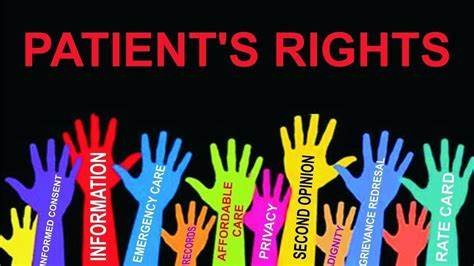
Every patient has the right to receive care that is respectful, non-discriminatory, and in line with their personal needs and preferences. Patient rights and advocacy play a critical role in ensuring that these rights are upheld throughout the health care process. As the health care system becomes increasingly complex, patients may encounter challenges in navigating their care, understanding their treatment options, or asserting their rights. Advocacy provides patients with the support they need to make informed decisions, access quality care, and ensure their voices are heard.
This article delves into patient rights, the role of advocacy in health care, and how individuals can ensure they receive fair and adequate treatment.
Understanding Patient Rights
1. Right to Informed Consent
One of the most fundamental rights of a patient is the right to informed consent. This means that before any medical treatment, procedure, or intervention, patients must be given clear, understandable information about the risks, benefits, and alternatives. Informed consent ensures that patients are active participants in their health care decisions and that they are fully aware of the implications of the treatments they undergo.
2. Right to Privacy and Confidentiality
Patients have the right to privacy regarding their personal health information. Under laws like the Health Insurance Portability and Accountability Act (HIPAA), health care providers are required to protect patient confidentiality and only share medical information with authorized parties. This right ensures that individuals’ sensitive health information is kept secure and that patients feel comfortable discussing their concerns openly with their health care providers.
3. Right to Quality Care
Patients have the right to receive care that meets acceptable standards of practice. This includes receiving care that is based on up-to-date medical knowledge, delivered in a timely manner, and provided by qualified professionals. Health care organizations are responsible for ensuring that their staff members adhere to the highest standards of care and treat all patients with dignity and respect.
4. Right to Access Care
Every individual has the right to access health care services without discrimination based on race, gender, age, socioeconomic status, or disability. Access includes the right to seek treatment, choose health care providers, and obtain services in a timely manner. Barriers such as long wait times, lack of transportation, or financial limitations should not prevent anyone from receiving necessary care.
5. Right to Participate in Decisions About Care
Patients have the right to be involved in decisions regarding their health care. This includes the right to ask questions, seek second opinions, and consider all treatment options. In some cases, patients may opt for alternative treatments or refuse certain interventions. These decisions should be respected by health care providers, as long as they are made in an informed and responsible manner.
The Role of Patient Advocacy
1. Supporting Communication
Patient advocates serve as intermediaries between patients and health care providers, helping to facilitate clear communication. They ensure that patients understand their treatment options and help articulate their preferences to medical teams. In some cases, advocates may also assist with translating medical jargon into more understandable language.
2. Ensuring Patient Rights are Upheld
An advocate’s primary role is to ensure that a patient’s rights are protected throughout the health care process. This can involve advocating for proper treatment, ensuring that patient consent is obtained, and addressing any concerns that arise about the quality or appropriateness of care. Advocates also work to ensure that patients’ privacy is maintained and that any potential violations of patient rights are addressed.
3. Providing Emotional Support
Navigating the health care system can be overwhelming for many patients, particularly those dealing with serious or chronic conditions. Patient advocates provide emotional support by offering encouragement, understanding, and compassion. Having a trusted advocate can ease the stress that comes with medical treatments and help patients feel more empowered.
4. Helping with Financial and Legal Issues
Health care costs can be a significant barrier for many patients, and navigating insurance claims or understanding billing issues can be daunting. Patient advocates often assist with financial aspects of care, ensuring that patients understand their insurance coverage, helping to access financial assistance programs, and offering advice on handling medical bills. Additionally, advocates may assist with legal matters, such as addressing disputes with health care providers or navigating health care policies.
us sports betting
Communities thrive when supported by dependable information and accessible tools. Many users exploring online wagering turn to us sports betting platforms for trusted reviews. These resources highlight reputable sportsbooks and their key features. With organized data, users can make smart and confident decisions.
5. Addressing Discrimination and Inequality
Advocacy is especially important for marginalized communities who may experience discrimination or unequal treatment in health care settings. Patient advocates help address disparities in care by advocating for equitable treatment, working to reduce systemic biases, and ensuring that all patients have equal access to quality care regardless of their background.
How to Be an Effective Patient Advocate
1. Be Informed
An effective advocate understands the health care system and knows where to find reliable information. Whether it’s learning about a medical condition, understanding a patient’s rights, or reviewing treatment options, being informed is crucial for effective advocacy.
2. Listen and Understand the Patient’s Needs
Effective advocacy starts with understanding the patient’s personal preferences and concerns. Advocates should take the time to listen to the patient’s wishes and ensure that their voice is heard throughout the decision-making process.
3. Ensure Clear Communication with Health Care Providers
Advocates must ensure that there is no misunderstanding between the patient and the health care team. This includes helping the patient ask questions, ensuring they understand explanations, and ensuring that their treatment preferences are communicated clearly.
4. Be Persistent and Supportive
Health care can be complex, and at times, patients may face obstacles in receiving the care they deserve. Advocates should be persistent in following up on concerns, whether they relate to treatment delays, misunderstandings, or issues with quality of care.
The Importance of Patient Rights and Advocacy
1. Empowerment
Patient rights and advocacy empower individuals to take control of their health care. When patients understand their rights and have access to a dedicated advocate, they are more likely to feel confident in making decisions and engaging in their treatment process.
2. Improved Health Outcomes
Studies have shown that patient advocacy can lead to improved health outcomes. When patients have someone supporting them and ensuring they receive the best care, they are more likely to adhere to treatment plans, seek timely care, and feel satisfied with their health care experience.
Patient Rights and Advocacy in Health Care
3. Promotes Accountability
Health care providers and organizations are held accountable for providing high-quality, equitable care when patient rights are respected and advocacy is in place. This ensures that health care systems remain transparent, responsible, and responsive to the needs of patients.
Conclusion
Patient rights and advocacy are integral to the health care system. They ensure that individuals receive respectful, equitable, and effective care while empowering patients to be active participants in their health care journey. As health care becomes more complex, the role of advocacy will continue to be crucial in bridging gaps and ensuring that all patients have access to the care they deserve. Whether through legal assistance, emotional support, or simply acting as a voice for the patient, patient advocates help create a health care environment where the rights of every individual are protected and upheld.